
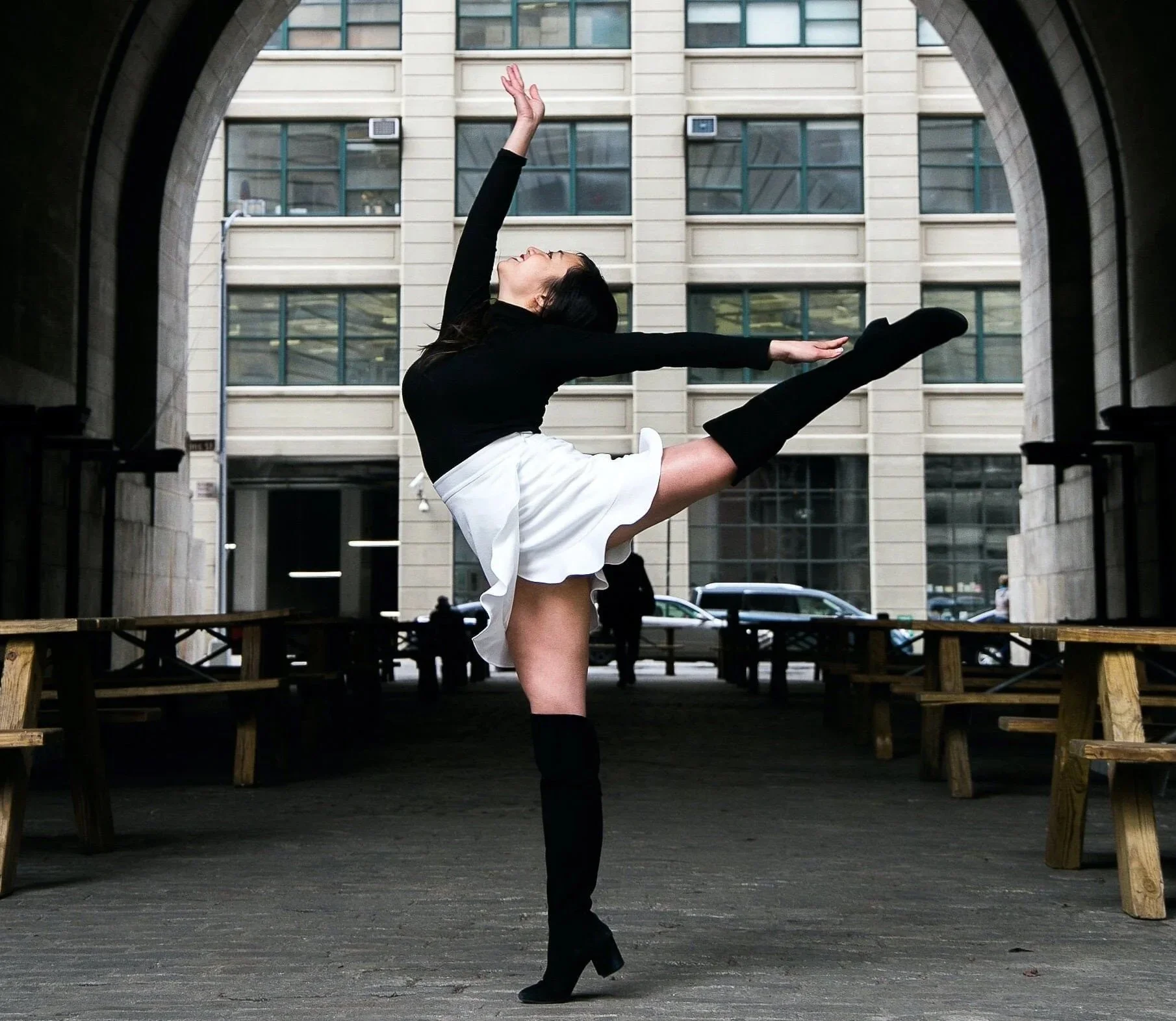
Are you a commitment - or just committed?
Try this. Say out loud: I am committed to my wellbeing.
Now say this: I am a commitment to my wellbeing. (Put stress on the words AM A)
Feel the difference. Not in your head — below your neck. Which one asks more of you? Which one lands differently in your chest, your belly, your spine?
Most people notice something. Not necessarily better or worse, maybe just odd, maybe that it doesn’t fit? Try it again with I am a commitment to being a good friend - choose something that is true for you and see how that feels? First in your body, as a sensation, a feeling, and then what’s the emotion? Most of us who are committed to being a good friend will get some kind of settling or warming feeling.
Then try it with I am a commitment to …….. Choose something or some way of being you might want to create for yourself that is new, and slightly out of reach at the moment. Some people feel like they agree with it immediately. Others find it odd, even uncomfortable. However it feels it might provoke some sort of emotion.
Why is I am a commitment to ….. provocative?
I am committed is a decision. A mental position. It lives in the part of you that plans and it’s a statement of intention. However, when things get hard, there’s always the possibility of an exit - not today. It’s not a commitment to an identity. The self doesn’t change, the action or the doing might. In time, with enough practice you might actually become the thing you are committed to, of course. And you might not.
I am a commitment is different. Right from the get go you are declaring that you will become this thing that you care about. It invites a question the first version doesn't ask: who do I need to be to live this? What in my structure — my habits, my posture, my way of entering a room, my relationship to difficulty — needs to change? When it’s new to you, it can feel really uncomfortable. A sense of ‘can I really become this?’ At first you might not really be it, but by committing to the practice of becoming, you will become it.
This is what embodied commitment means. It’s not about the strength of your intention; it’s about a different relationship to who you are.
Leaders carry a lot of commitments. To their teams, to their own development, to success. And most of those commitments are genuine and sincere. But sometimes it’s not enough. The structure that got you here — the patterns of response, the ways of holding yourself under pressure, the ways of being the body has learned, doesn’t automatically reorganise around a new intention. It stays as it is until something changes at a deeper level - which is what the second statement invites.
The commitments we make are often a call to courage, making a declaration, saying to the world I am going to become this …..then building from the inside, through practice, through returning to the commitment in the body rather than just in the mind. Through noticing when the old structure is beginning to dissolve and a new structure is emerging.
An embodied commitment becomes an anchor. When the sea is rough and the stars are hidden, it gives you something to return to that isn't just a thought.